

What Digital Marketing Strategy Really Means (And Why Most Businesses Get It Wrong)
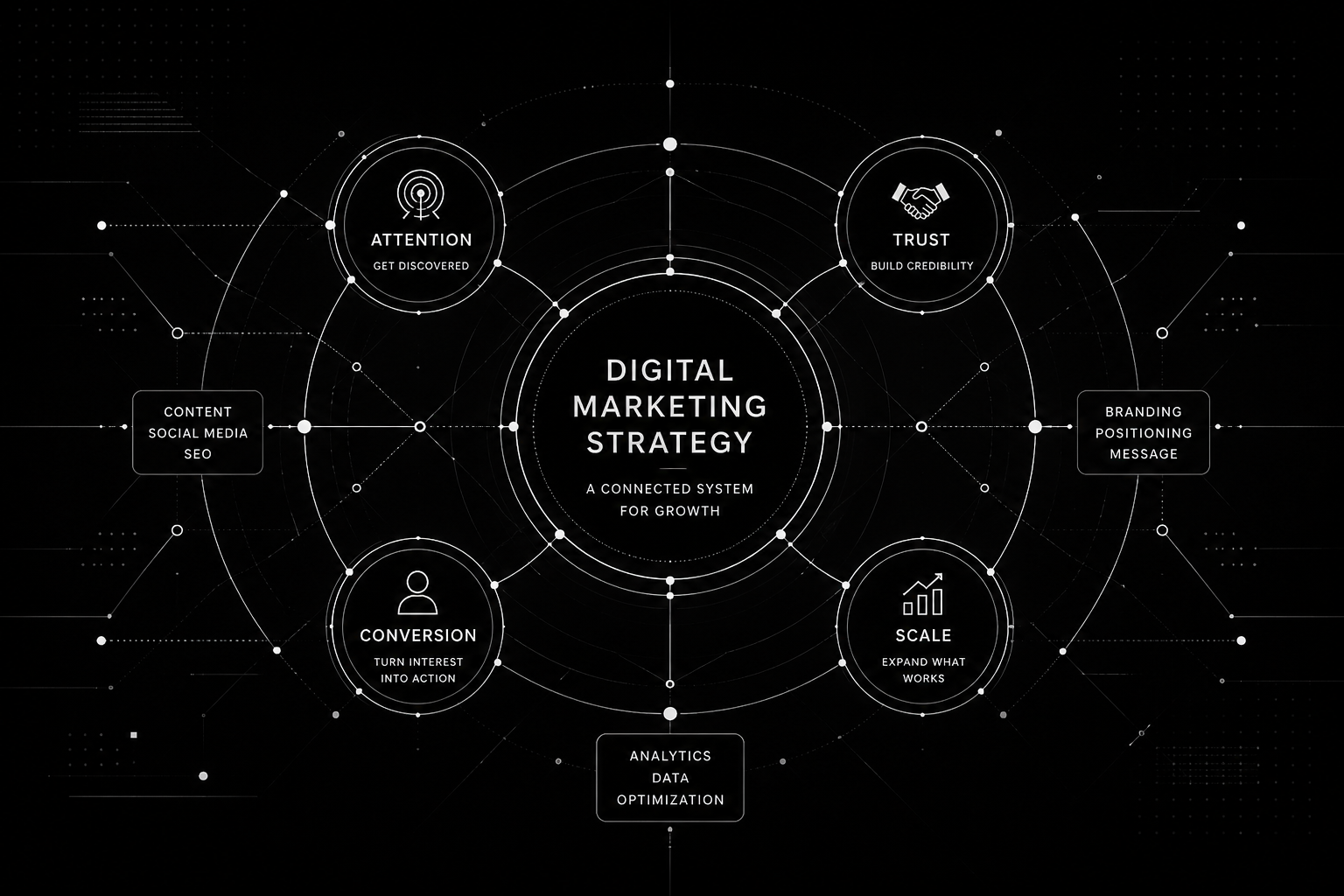
Table of Contents
ToggleWhat Digital Marketing Strategy Really Means (And Why Most Businesses Get It Wrong)
Digital marketing is easier to start than ever before, yet harder than ever to make work consistently. Industry estimates suggest global digital ad spend has crossed $740 billion and continues to grow at a strong pace. In markets like India, digital channels have already overtaken traditional media such as television, with a significant share of advertising budgets now shifting online.
Businesses today are producing more content, running more ads, and investing heavily in automation and AI-driven tools. Yet consistent growth remains a challenge. Costs are increasing. Attention is becoming limited. Trust is harder to earn. The issue is not how much marketing is being done, but the lack of a clear digital marketing strategy behind it. This guide explains what digital marketing strategy actually means, how it works as a system, why many businesses struggle, and what matters going forward.
What Digital Marketing Strategy Actually Means:
Most definitions describe digital marketing as using online channels to promote products or services. That view is incomplete. Rather than being a collection of channels, digital marketing functions as a connected system designed to generate, convert, and scale demand. Every business uses platforms such as social media, search engines, websites, and paid advertising. However, tools alone do not produce results. Structure and clarity do.
A digital marketing strategy answers five fundamental questions:
Without clear answers to these, marketing becomes activity without direction.
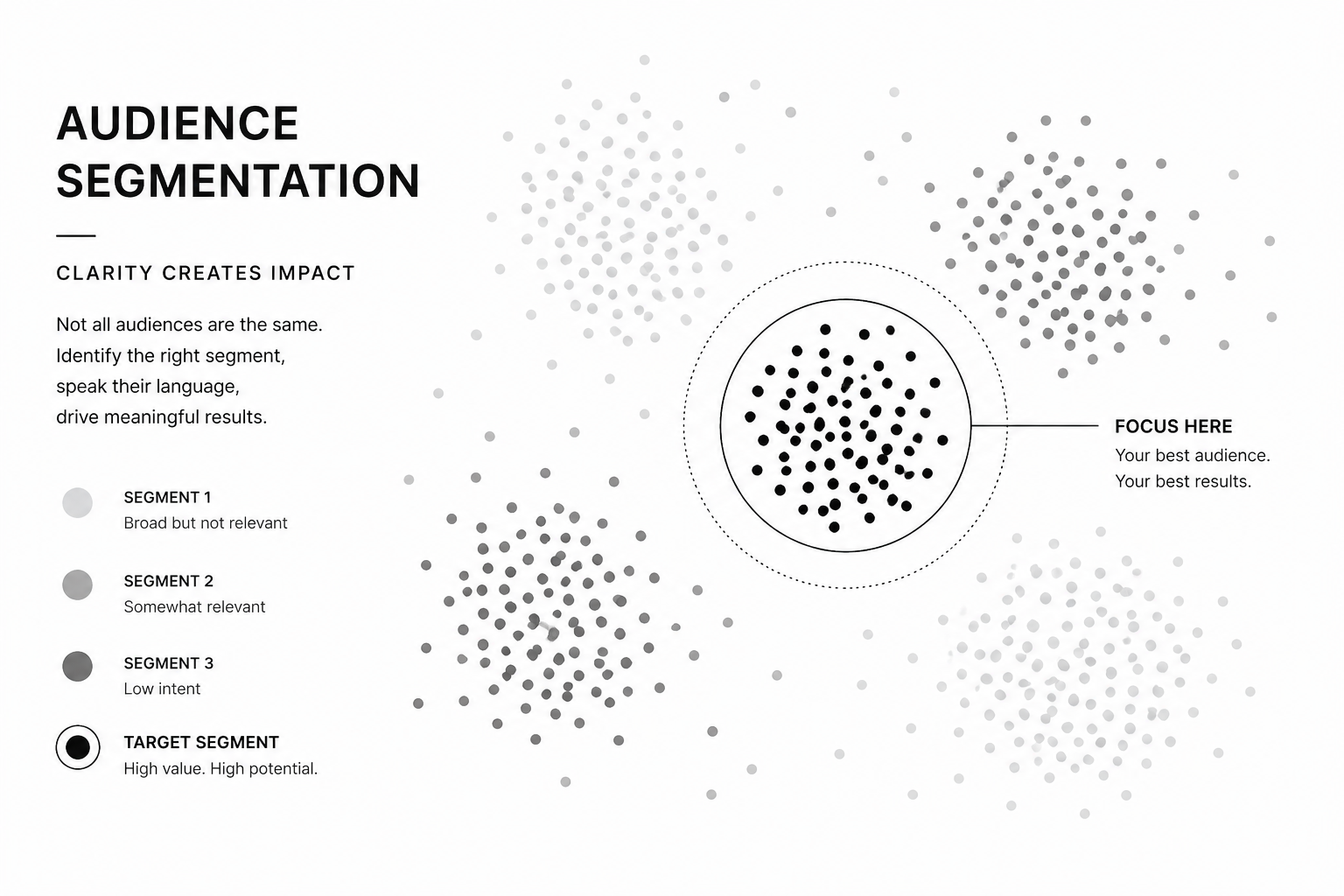
Who are you trying to reach?
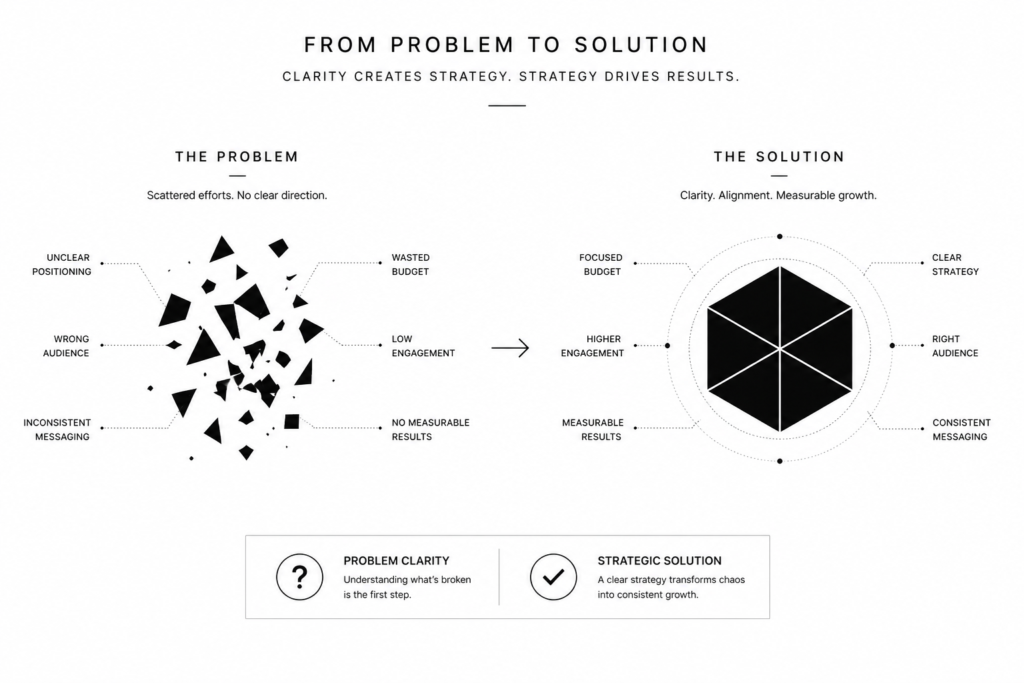
What problem are you solving for them?
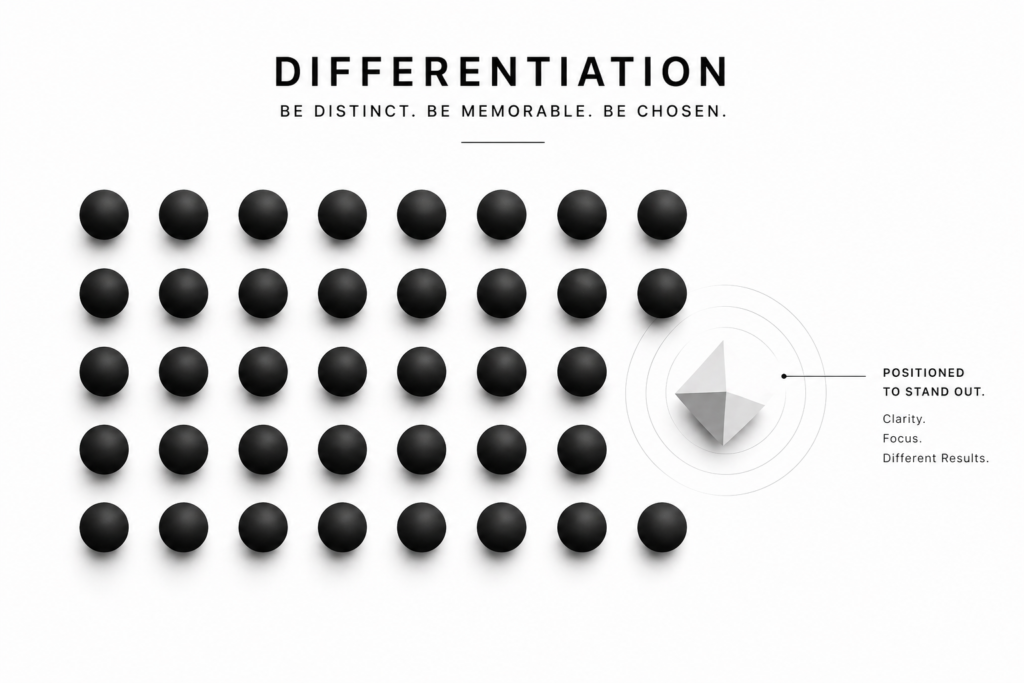
How are you positioned differently?
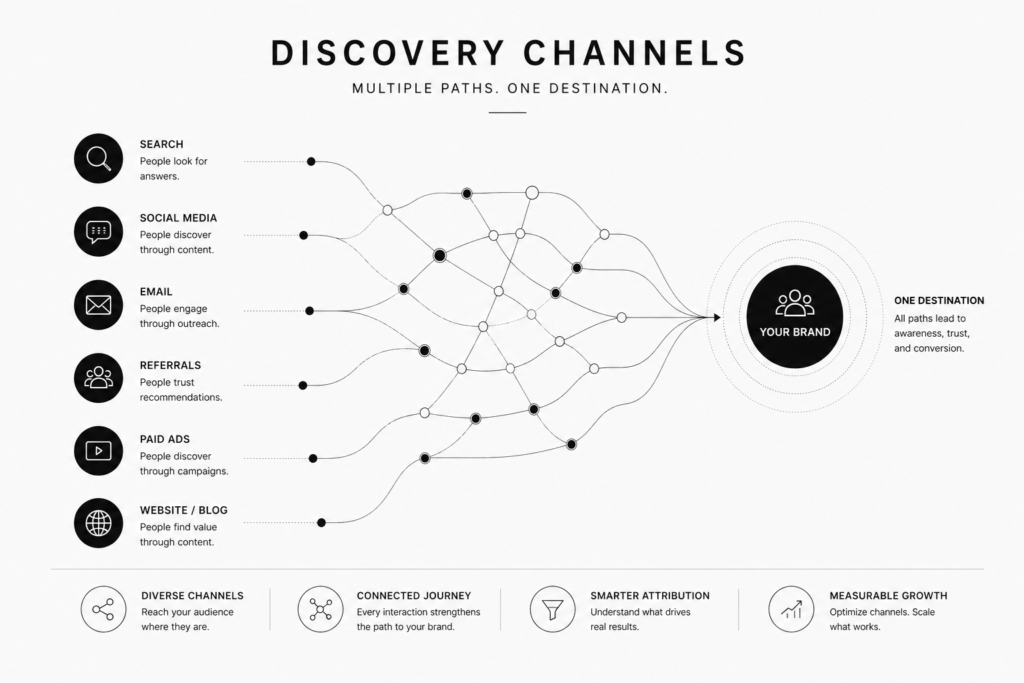
Where will they discover you?
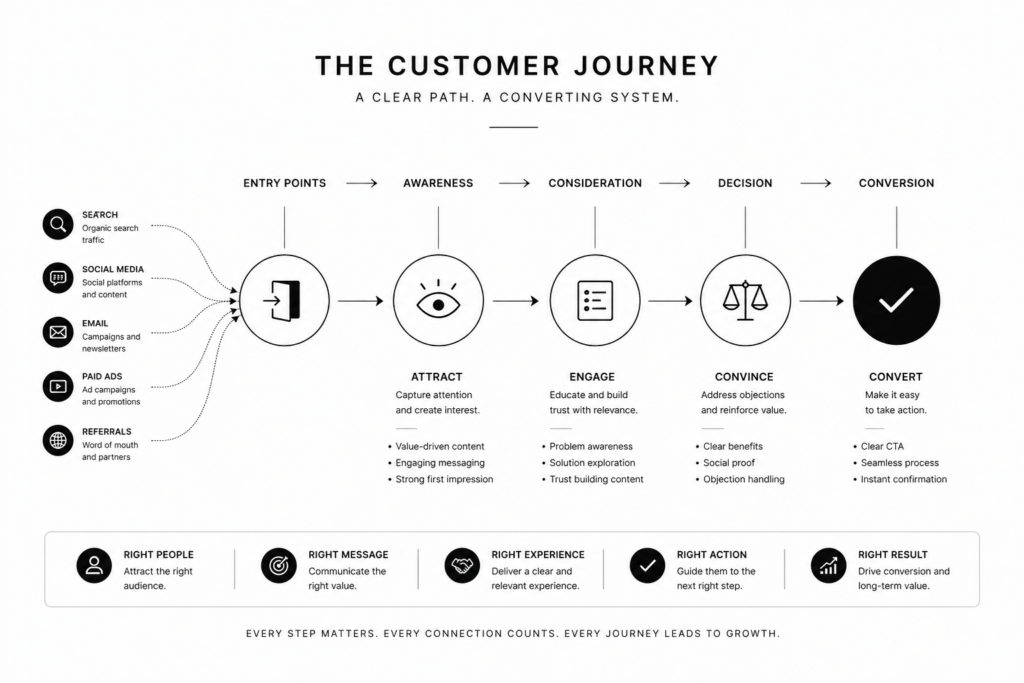
What path will convert them into customers?
Why Digital Marketing Feels Harder in 2026
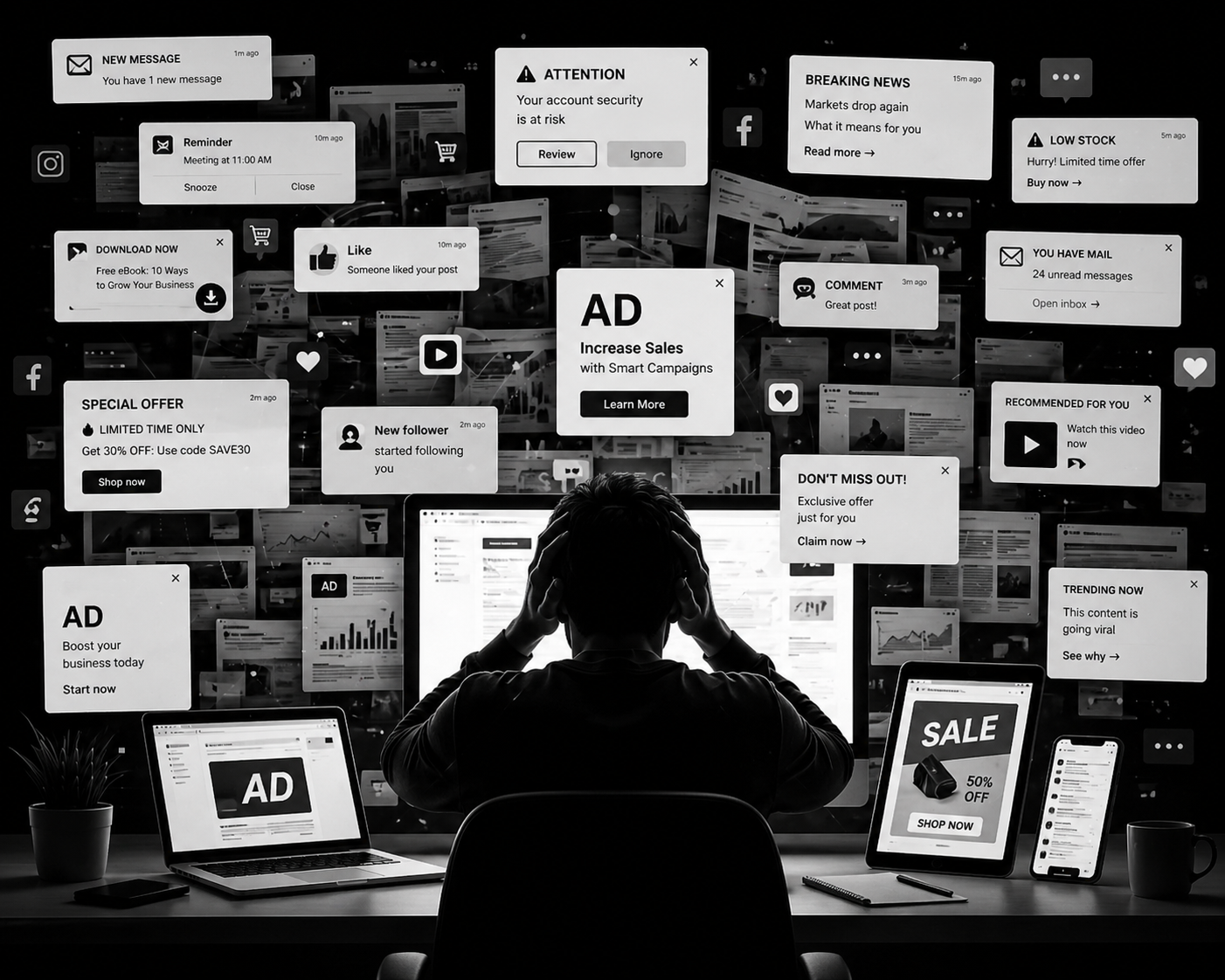
Digital marketing has not become ineffective, but it has become more competitive, more expensive, and more complex.
1. Rising Costs and Competition
Cost-per-click across major platforms continues to increase. Google search ads typically range between $2–$5 globally, while platforms like Meta and LinkedIn show similar upward trends. More businesses competing for the same audience increases auction pressure and reduces margins.
2. Content Saturation
Brands are publishing content at scale, often multiple times per day. At the same time:
Organic reach continues to decline
Engagement rates often remain between 1–3%
Users report content fatigue
Increasing volume alone does not improve performance.
3. Audience Fatigue and Trust Decline
Consumers are exposed to constant messaging across platforms. As a result
- They evaluate more options before buying
- They rely on trust signals
- They avoid aggressive or repetitive messaging
Low-quality or overly optimized campaigns often reduce effectiveness instead of improving it.
4. Data Complexity and Attribution
Although more data is available, clarity has decreased:
- Privacy changes limit tracking accuracy
- Platforms operate independently
- Attribution models are less reliable
Many businesses still focus on surface-level metrics instead of measurable outcomes.
5. Automation and AI Raising the Bar
AI and automation have simplified execution, but increased competition. As more businesses adopt similar tools, differentiation now depends on:
Strategy
Positioning
Creative quality
System design
Execution alone no longer creates a meaningful advantage.
Digital Marketing as a System
Many businesses still manage digital marketing through separate channels. This often leads to fragmented results.
A more effective approach is to treat digital marketing as a connected system. At Howlers, this system is structured into four stages:
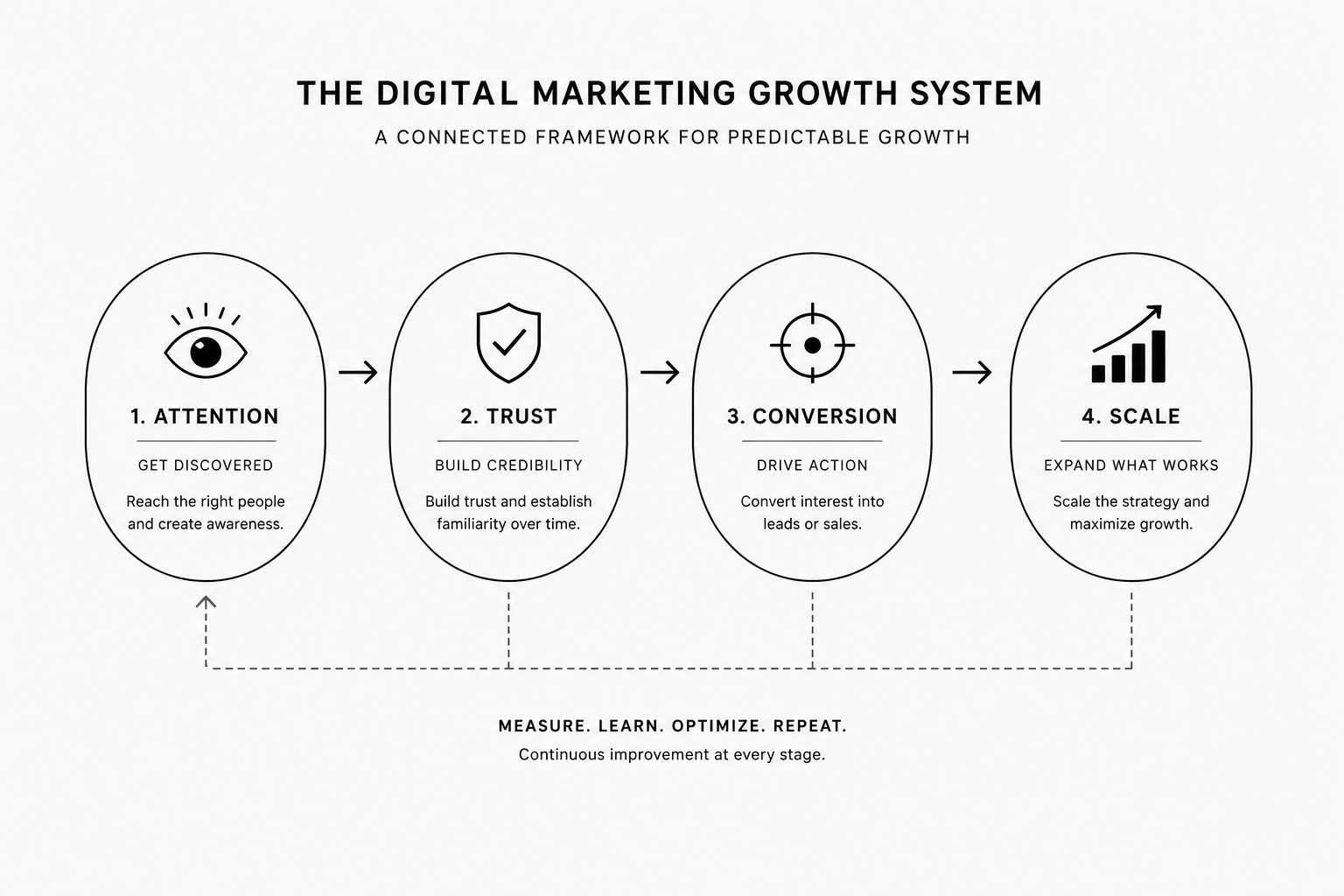
Each stage has a role:
Attention
Attention is where your audience first becomes aware of your brand. This happens through channels like social media, search, and content, where visibility is created at scale. But attention alone is not growth it simply opens the door for your brand to enter the conversation.
Trust
Once people discover you, they need a reason to believe in you. Trust is built through consistent messaging, valuable content, and repeated exposure over time.
Without trust, attention fades quickly and does not translate into meaningful business outcomes.
Conversion
Conversion is where interest becomes measurable results leads, inquiries, or sales. This stage depends heavily on your website, offer clarity, and user experience.
Even strong traffic will fail if your system does not clearly guide users toward taking action.
Scale
Scale is about amplifying proven systems, not experimenting endlessly. Once you identify what generates results, you increase reach through paid channels, optimization, and expansion.
Growth becomes predictable only when you scale what is already working, not when you constantly restart.
These stages are interdependent. When disconnected, performance drops. When aligned, growth becomes predictable.
The Core Components of Digital Marketing
Digital marketing is better understood as a set of interconnected systems rather than isolated services.
1. Attention Systems (Social Media & Content)

Social media is often viewed as a direct growth channel, but in most cases it functions as a trust-building layer.
Industry observations suggest:
- Organic reach is often below 5%
- Engagement rates remain limited
- Content volume continues to increase
The role of social media within a digital marketing strategy is to:.
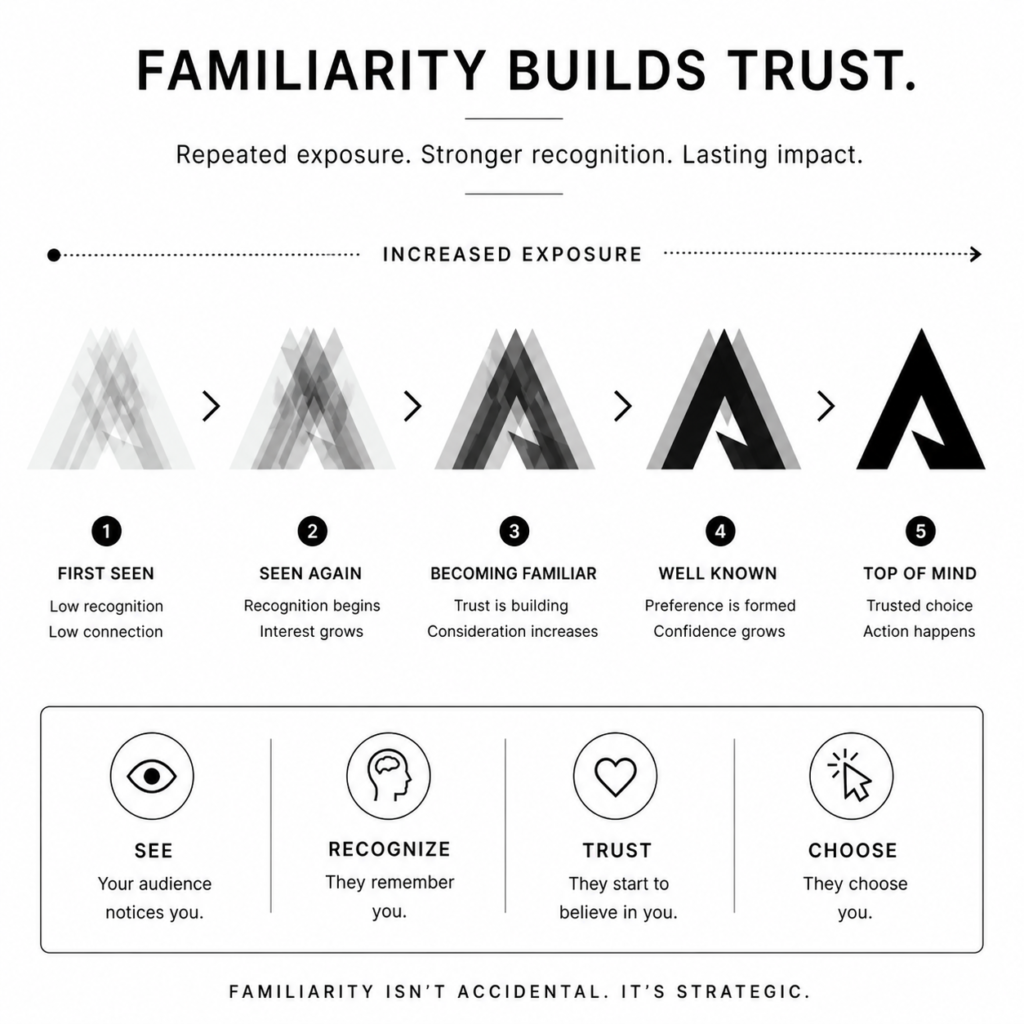
Build familiarity
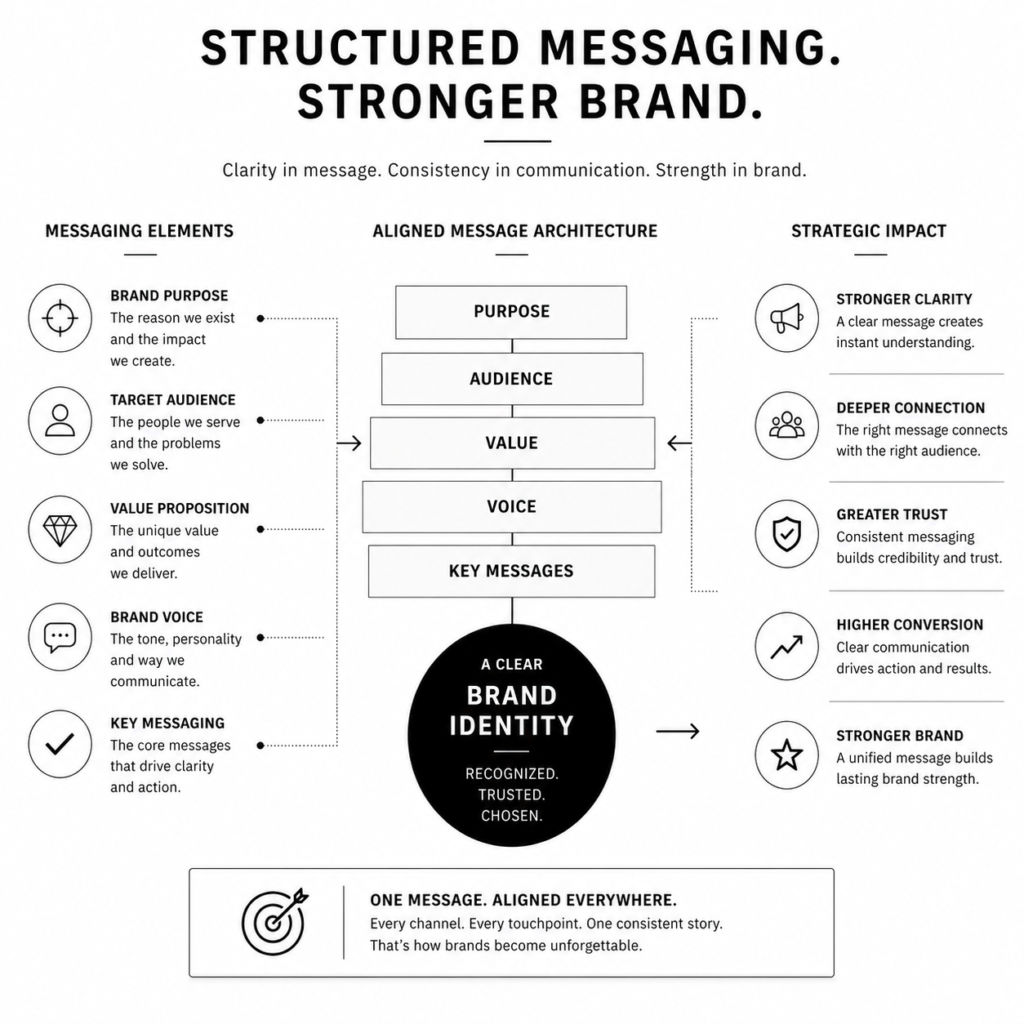
Communicate positioning
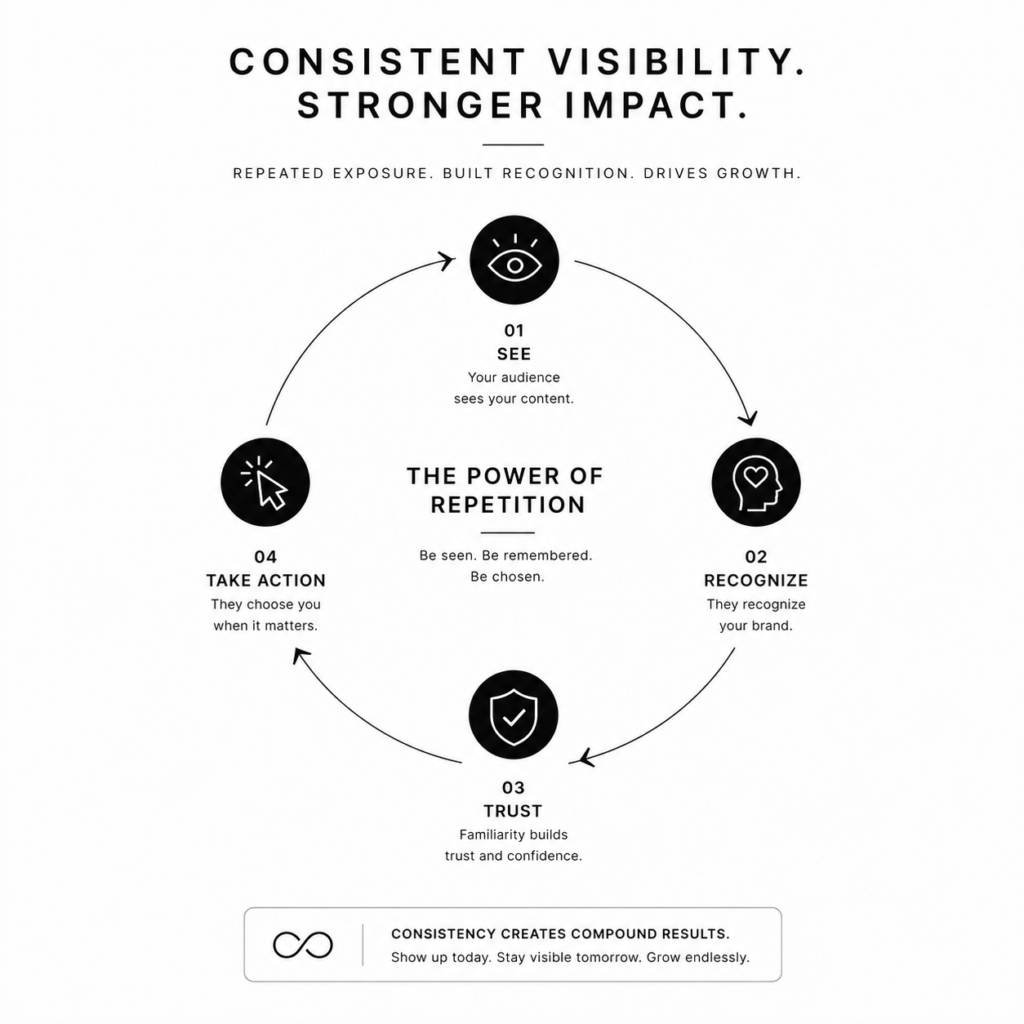
Create repeated exposure
2. Intent Systems (SEO & Search)
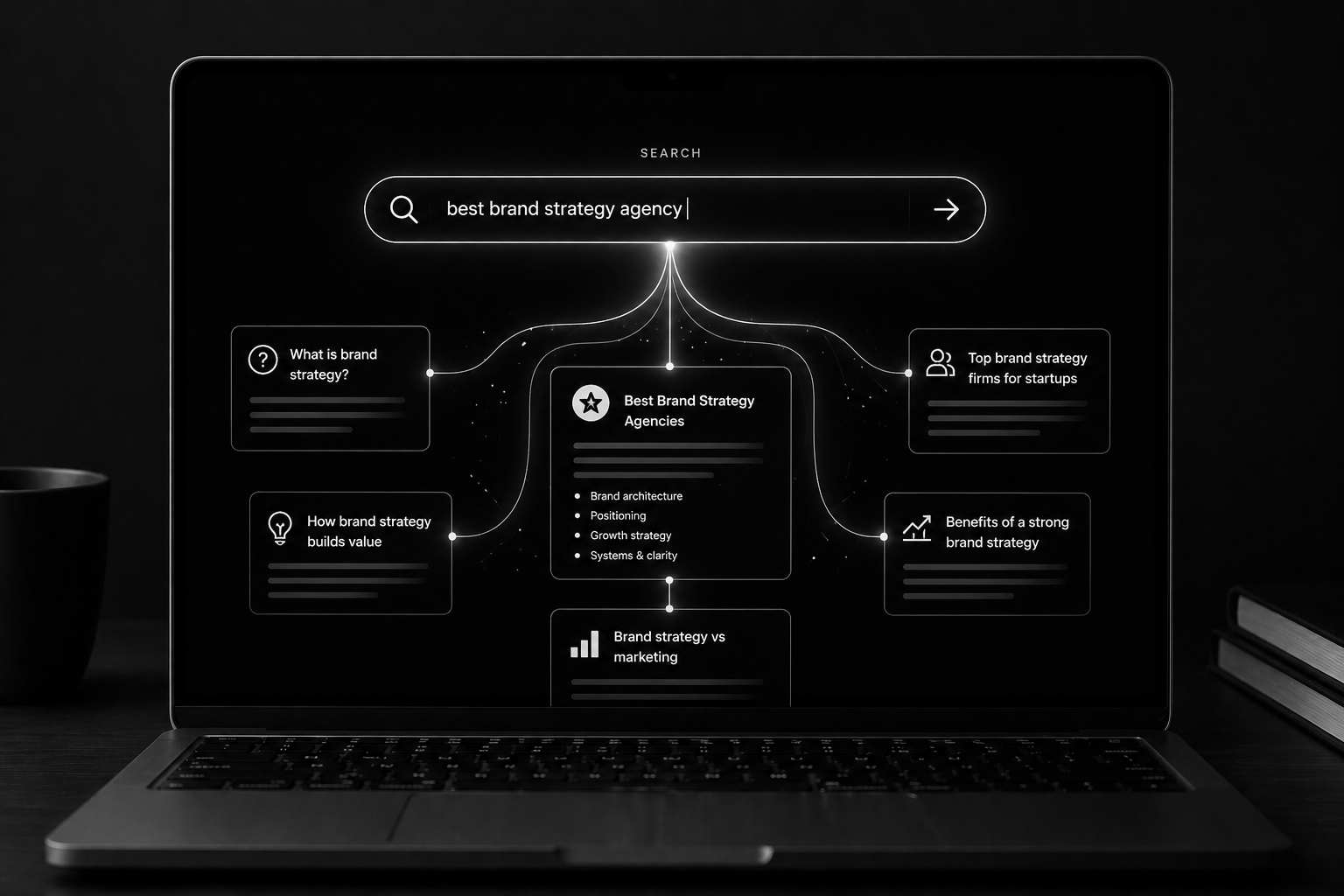
Search channels capture existing demand. SEO typically requires ( 3-6 months for initial traction and 6-12+ months for consistent growth) Organic traffic often converts between 2–4%, depending on intent and page quality. SEO is not simply about ranking keywords. It is about aligning content with user intent. Over time, SEO delivers strong ROI because traffic compounds without ongoing cost per click.
For further reference, see .
3. Conversion Systems (Website)
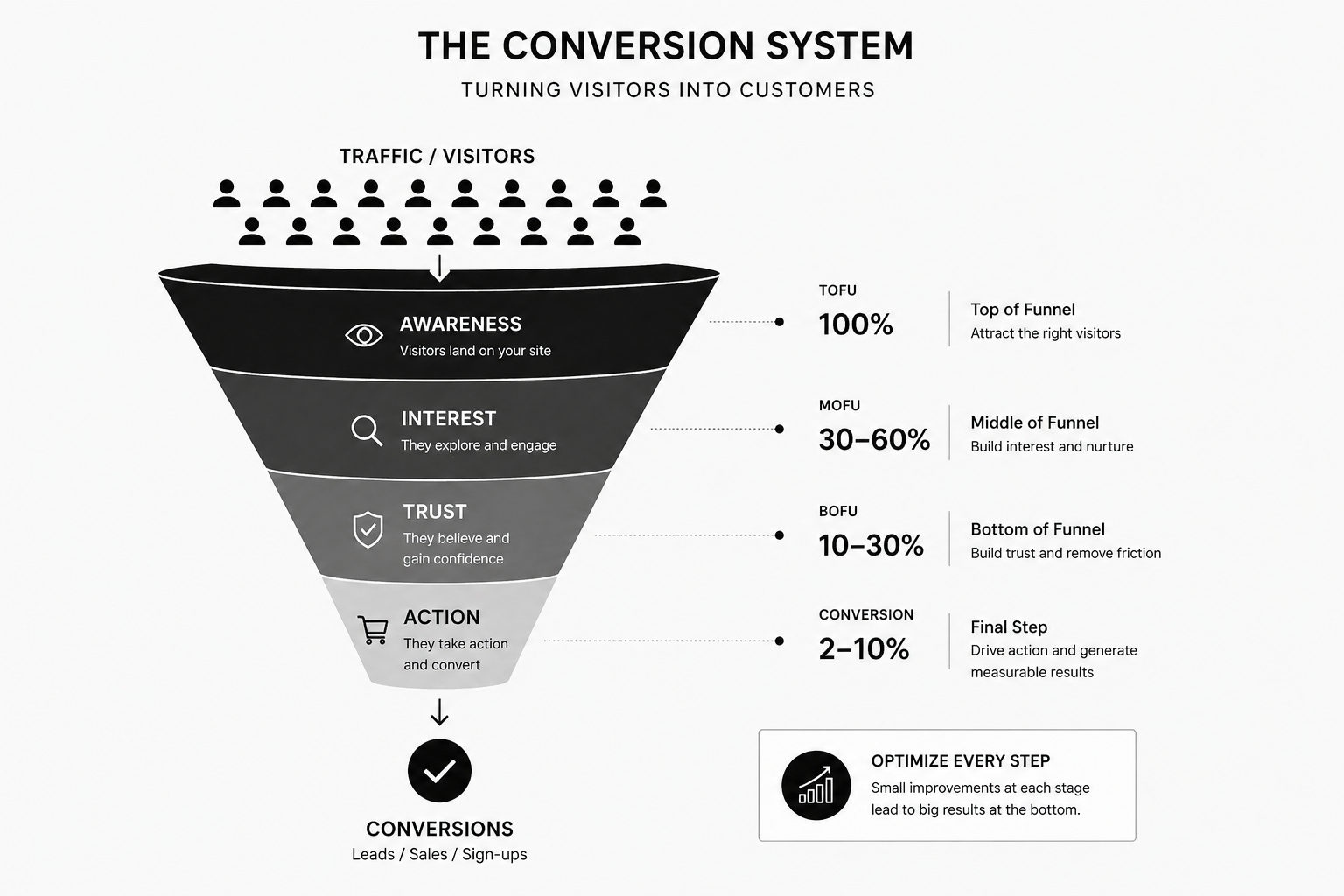
Your website acts as the central conversion layer in your digital marketing strategy. Typical benchmarks ( Average conversion rate: 2-4% and Optimized pages: 5-10%+)
Common issues include:
- Unclear messaging
- Weak user experience
- Lack of trust signals
- Slow loading speed
Traffic alone does not generate results. Conversion determines performance.
4. Acceleration Systems (Performance Marketing)
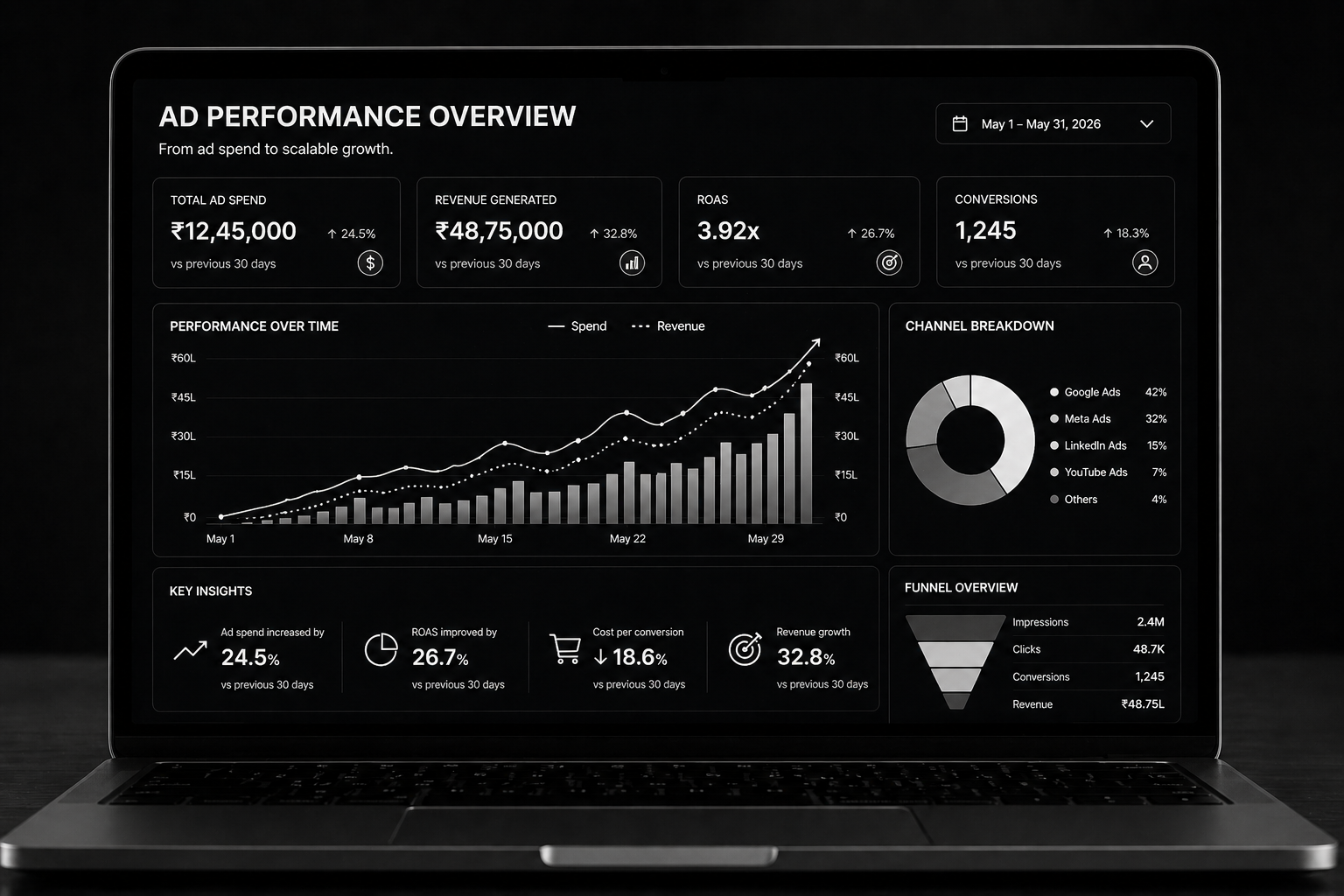
Paid advertising provides immediate visibility and scalable traffic. However, it works best when aligned with a structured system. Advertising is generally more effective at capturing existing demand and expanding reach than creating demand from nothing. Typical benchmarks (Conversion rates: 2–5% and Minimum learning budgets (India): ₹15,000–₹30,000/month). Without strong foundations, ads become inefficient. With structure, they enable scalable growth.
5. Brand Systems (Positioning & Perception)
Branding extends beyond visual identity. It defines how a business is perceived, remembered, and trusted.
Research across marketing studies indicates:
- A large percentage of consumers prioritize trust before purchase
- Strong branding supports premium pricing
- Consistency improves conversion and retention
Branding strengthens every other component of a digital marketing strategy.
How Digital Marketing Works Together
No single channel drives growth independently.
A typical system works as follows:
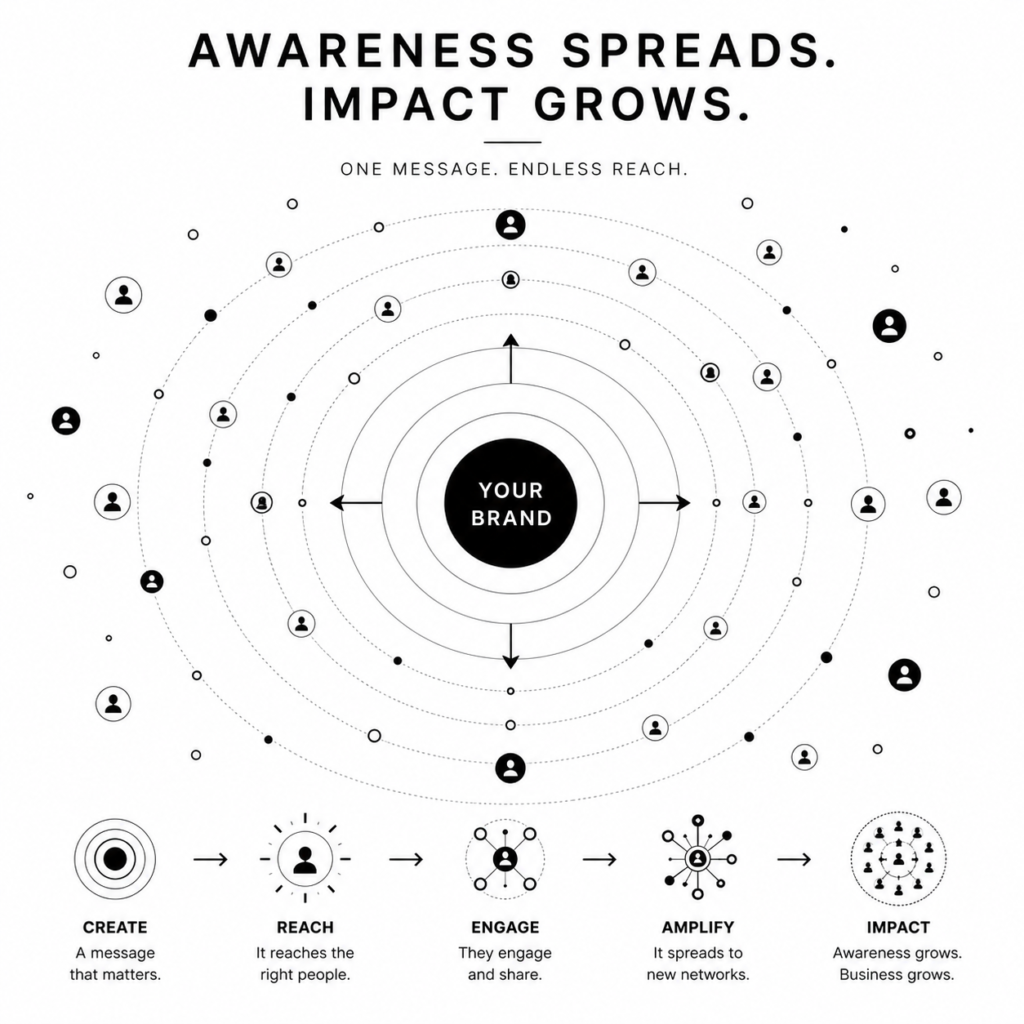
Social media builds awareness
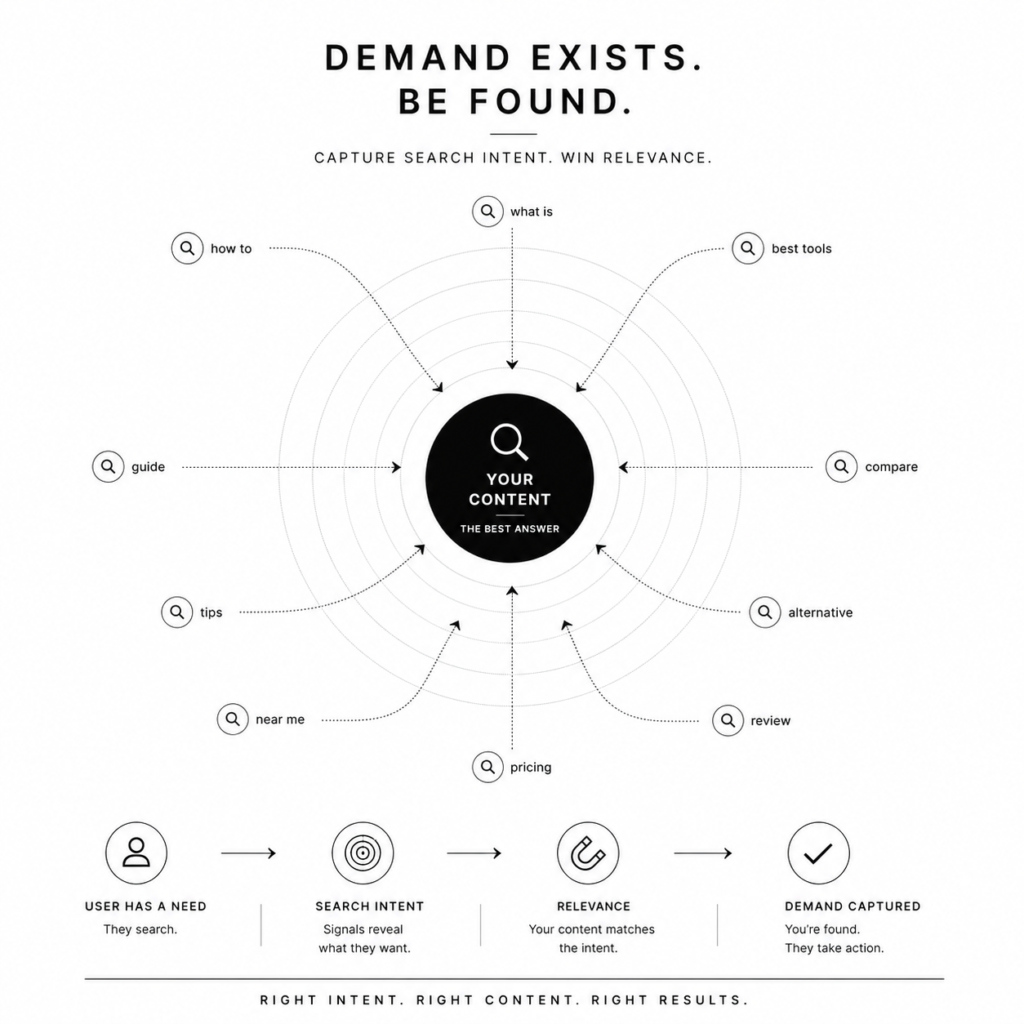
SEO captures active demand
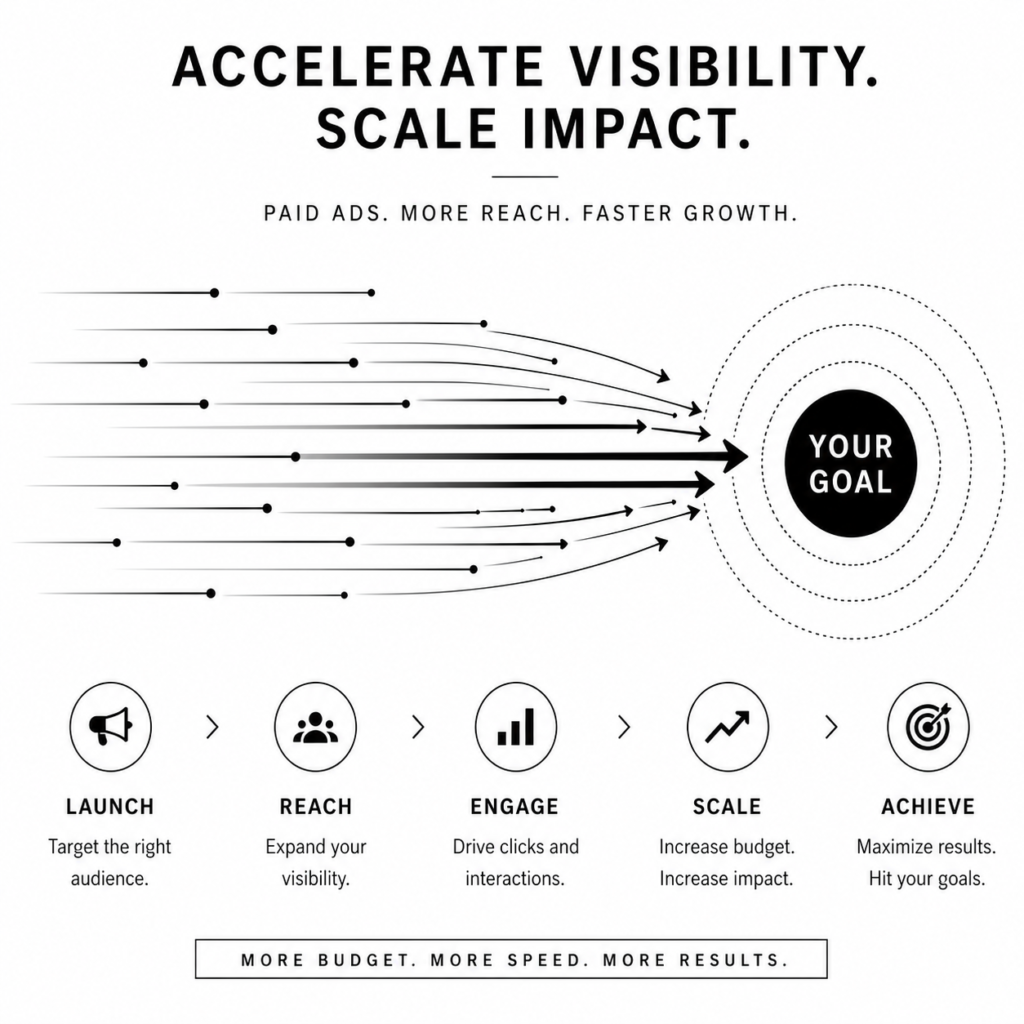
Paid ads accelerate visibility
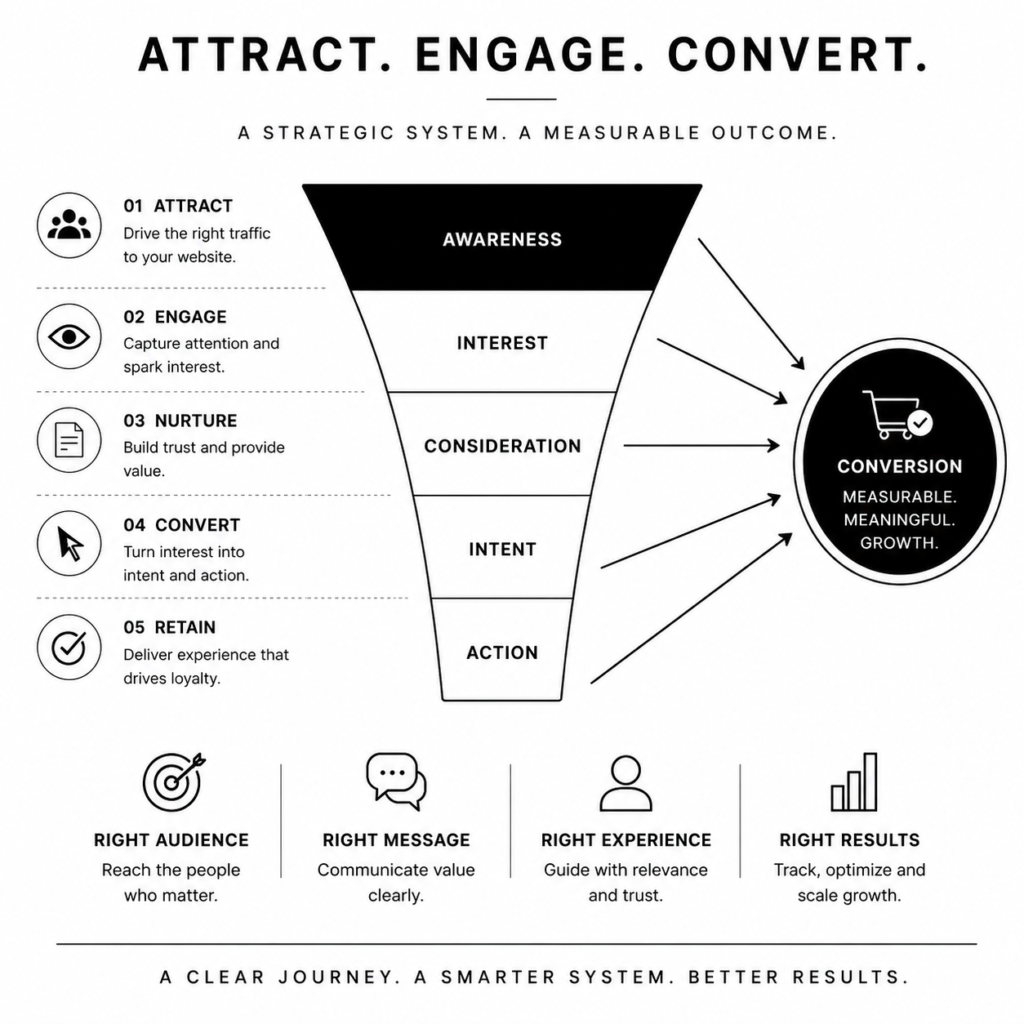
Website converts traffic
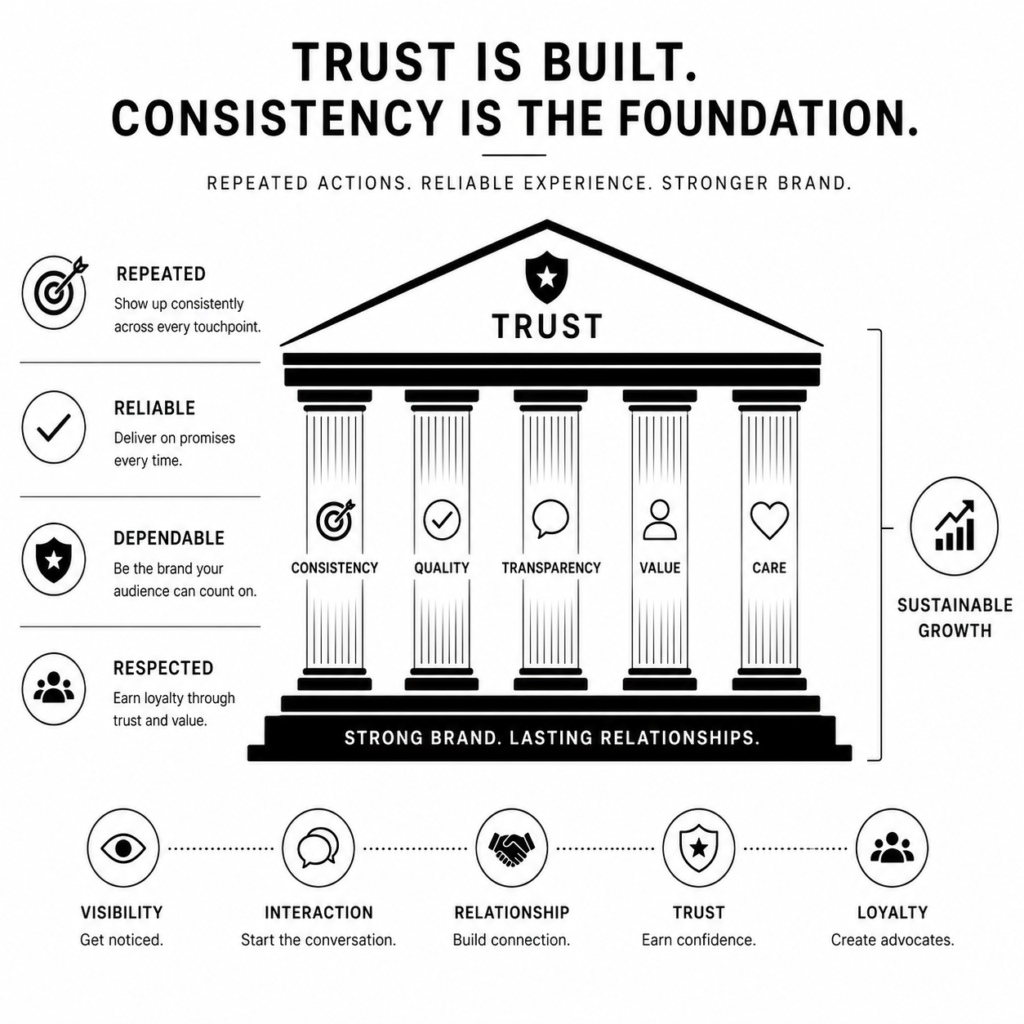
Branding reinforces trust
Customers interact with multiple touchpoints before making a decision.
Marketing rarely follows a straight path, results build over repeated interactions.
Digital Marketing in 2026
The current environment is shaped by several shifts:
- Increasing digital ad investment
- Growing importance of mobile-first behavior
- Expansion of social commerce
- Rising use of AI in marketing processes
For broader datasets, refer to Cloud9
The Future of Digital Marketing
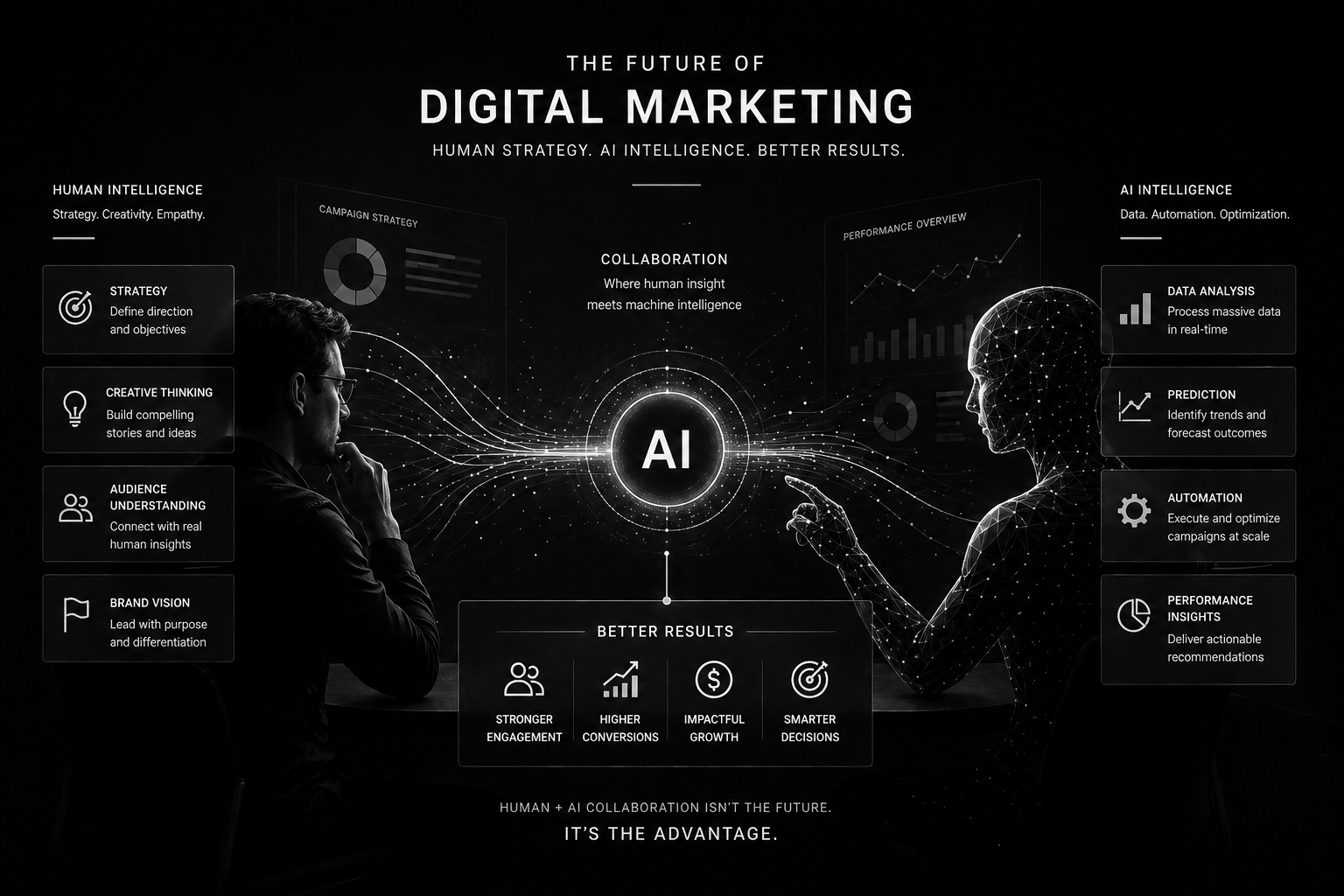
Future digital marketing systems will focus on:
- Automation across campaigns
- Personalized user experiences
- Multi-platform visibility
- Privacy-driven data strategies
As execution becomes easier, strategic clarity becomes the main differentiator.
Why Most Businesses Fail at Digital Marketing
Common patterns include:
- Lack of Strategy: Marketing begins without clear direction.
- Fragmented Execution: Channels operate independently instead of as a system.
- Weak Conversion Systems: Traffic is generated but not converted effectively.
- Inconsistent Investment: Efforts stop before results compound.
- Over-Reliance on Tools: Automation is used without strategic oversight.
What a Real Digital Marketing Strategy Looks Like
A structured approach follows:
Research → Clarity → Systems → Growth → Execution
- Research: Understand market and audience
- Clarity: Define positioning
- Systems: Build structured frameworks
- Growth: Align channels
- Execution: Deploy with direction
Most businesses reverse this order, starting with execution instead of clarity.
Closing Perspective
Digital marketing itself is not the issue. The way it is approached often is.
Increasing content, ad spend, or tools alone rarely solves performance problems.
Clarity and structure do.
Start With Strategy
If your marketing feels inconsistent, the problem is not effort.
It is the absence of a connected system.
Before investing further into channels, define your digital marketing strategy clearly.
Because growth is not created by activity.
It is created by direction.
Most Businesses Don’t Need More Marketing.They Need Direction.
If your growth feels inconsistent, the problem is not effort it’s structure.

Related Posts


Recent Posts
- Modern Casino Technology and Its Impact on Player Experience at Superbet Online
- Pin Up Uzbekistan: Onlayn Kazino O‘yinlari va Bonuslar!
- Pin Up Casino: Azərbaycan onlayn oyun bazarında əyləncəli bir seçim
- Claim your rewards in Chicken Road 2: navigating the world of arcade gaming
- Шаг за шагом к выигрышу как Pinco casino поможет вам в азартных играх
Recent Comments
Search
Categories
- Digiital Marketing Strategy (1)
- Game (1)
- Games (1)
- public (16)
- SEO (1)
- Superbet Ελλάδα (1)
- Uncategorized (15)